
Runway, Relevance & Real Connection: Inside Australian Fashion Week
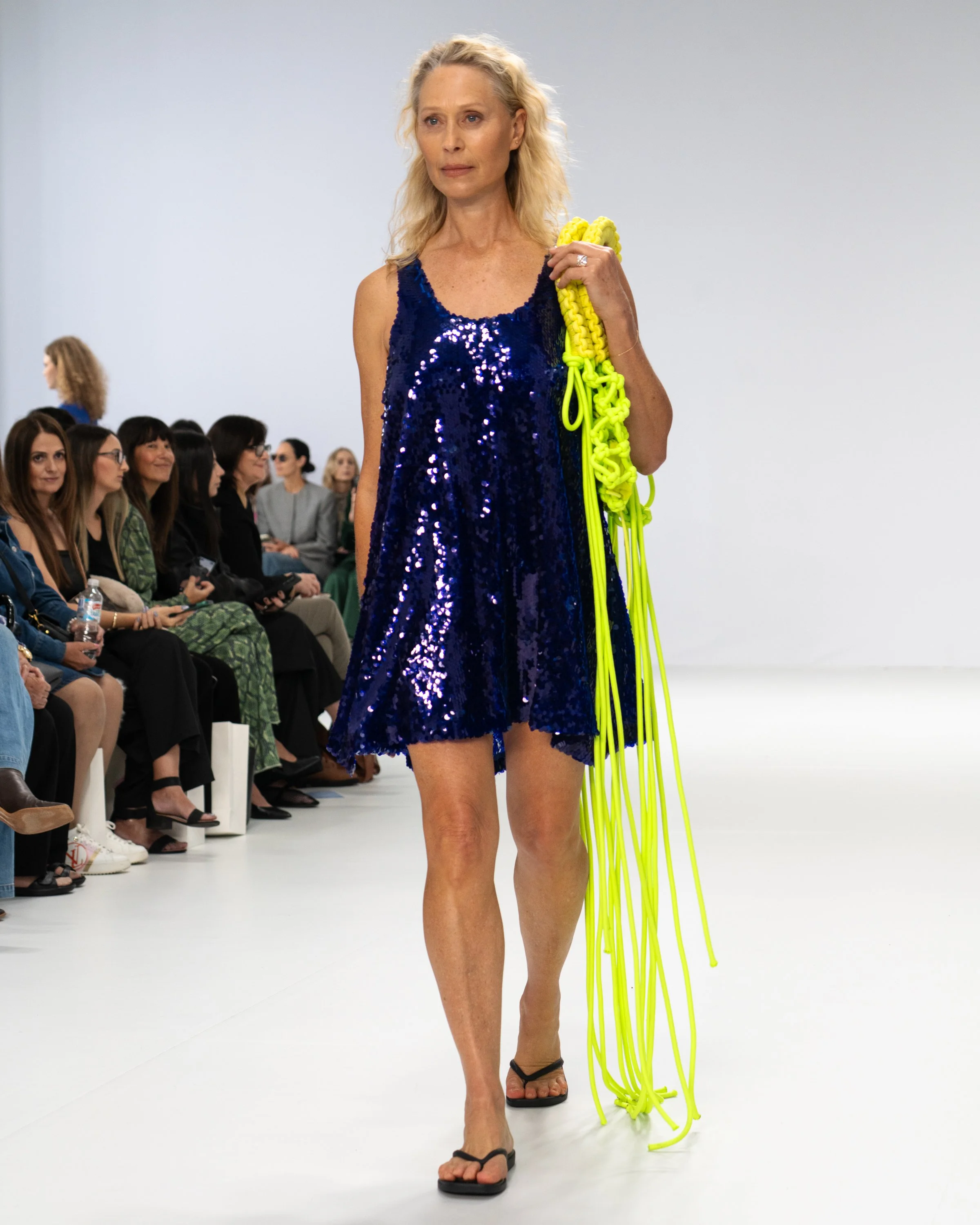
Gary Bigeni Runway, AFW 2026
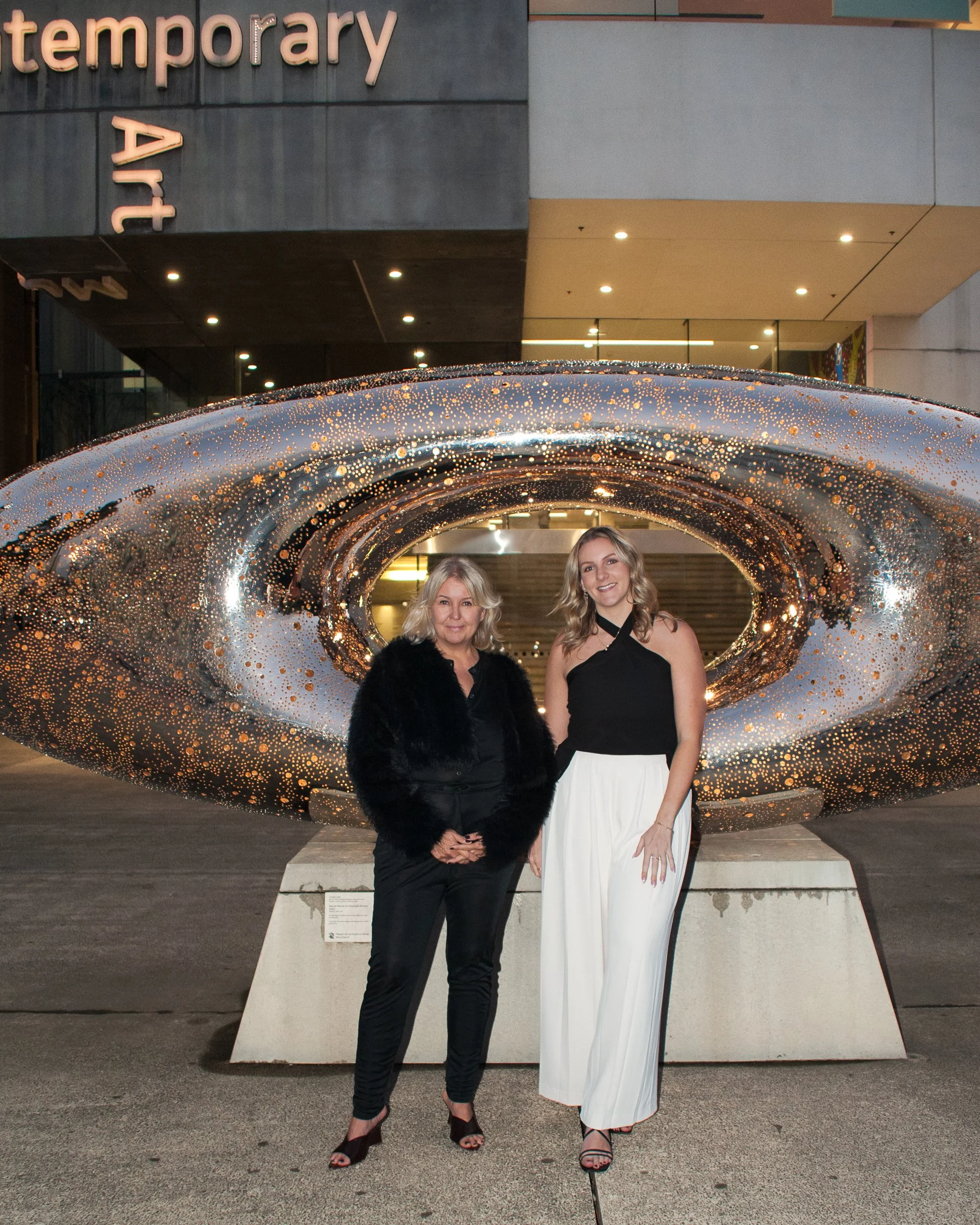
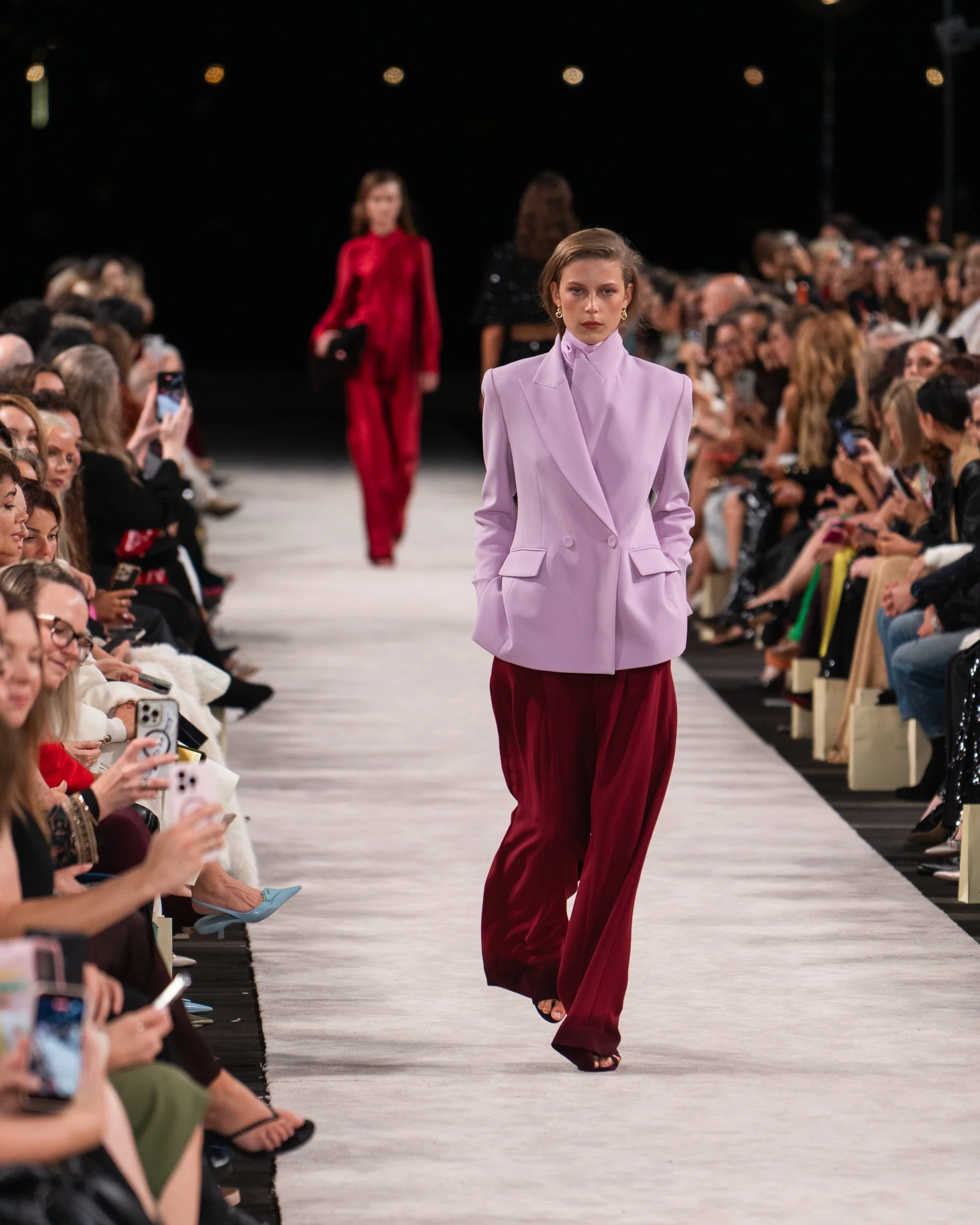
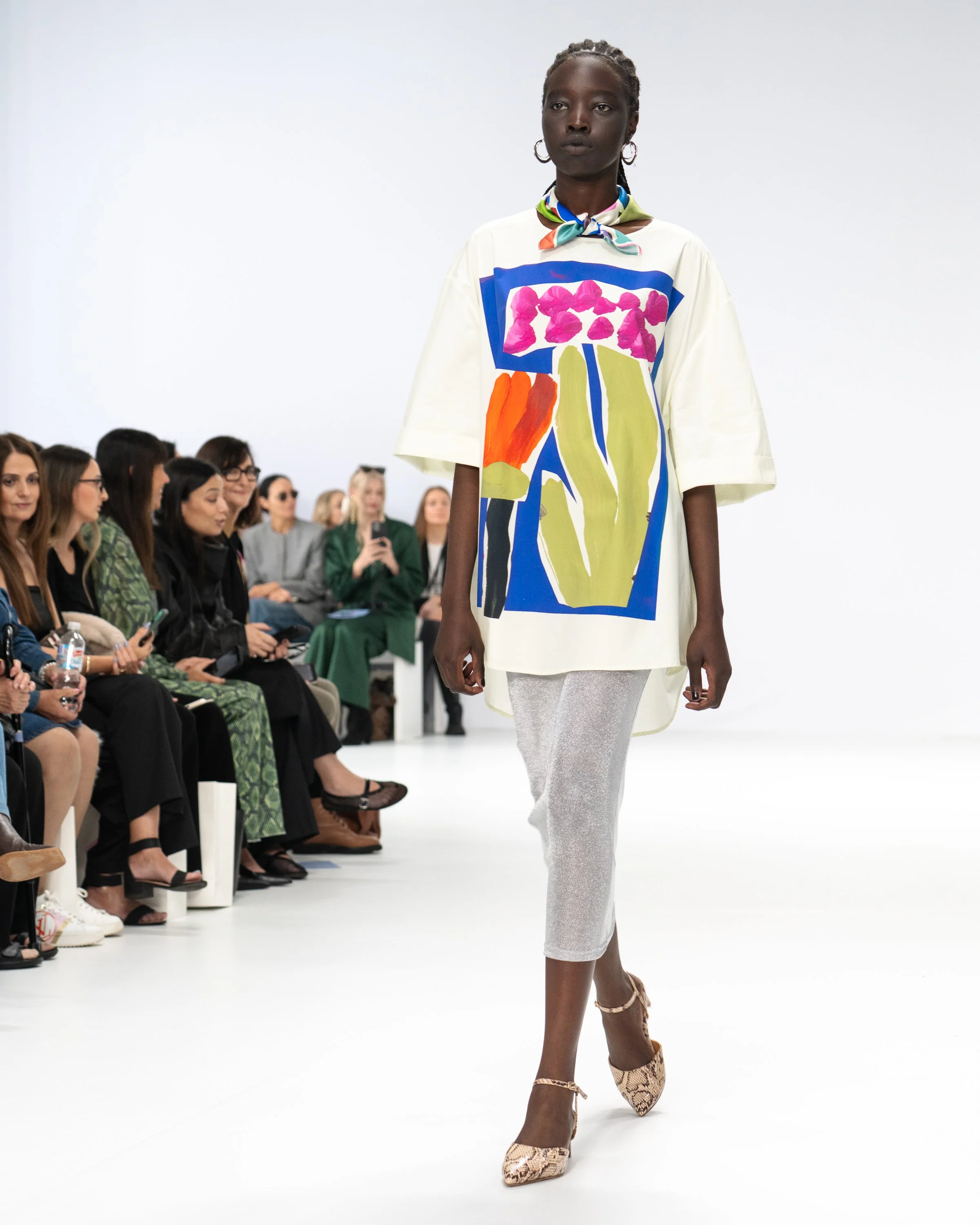
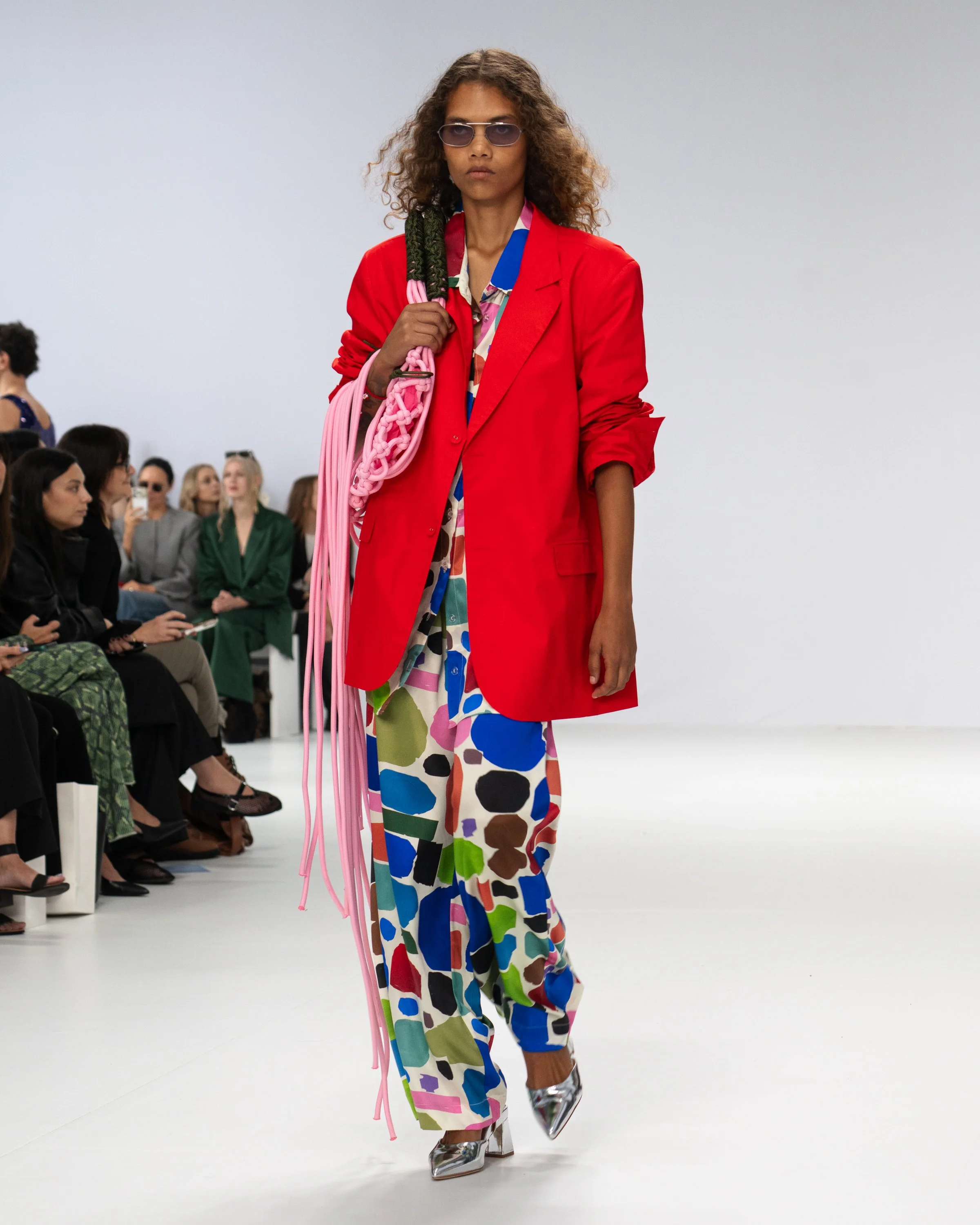
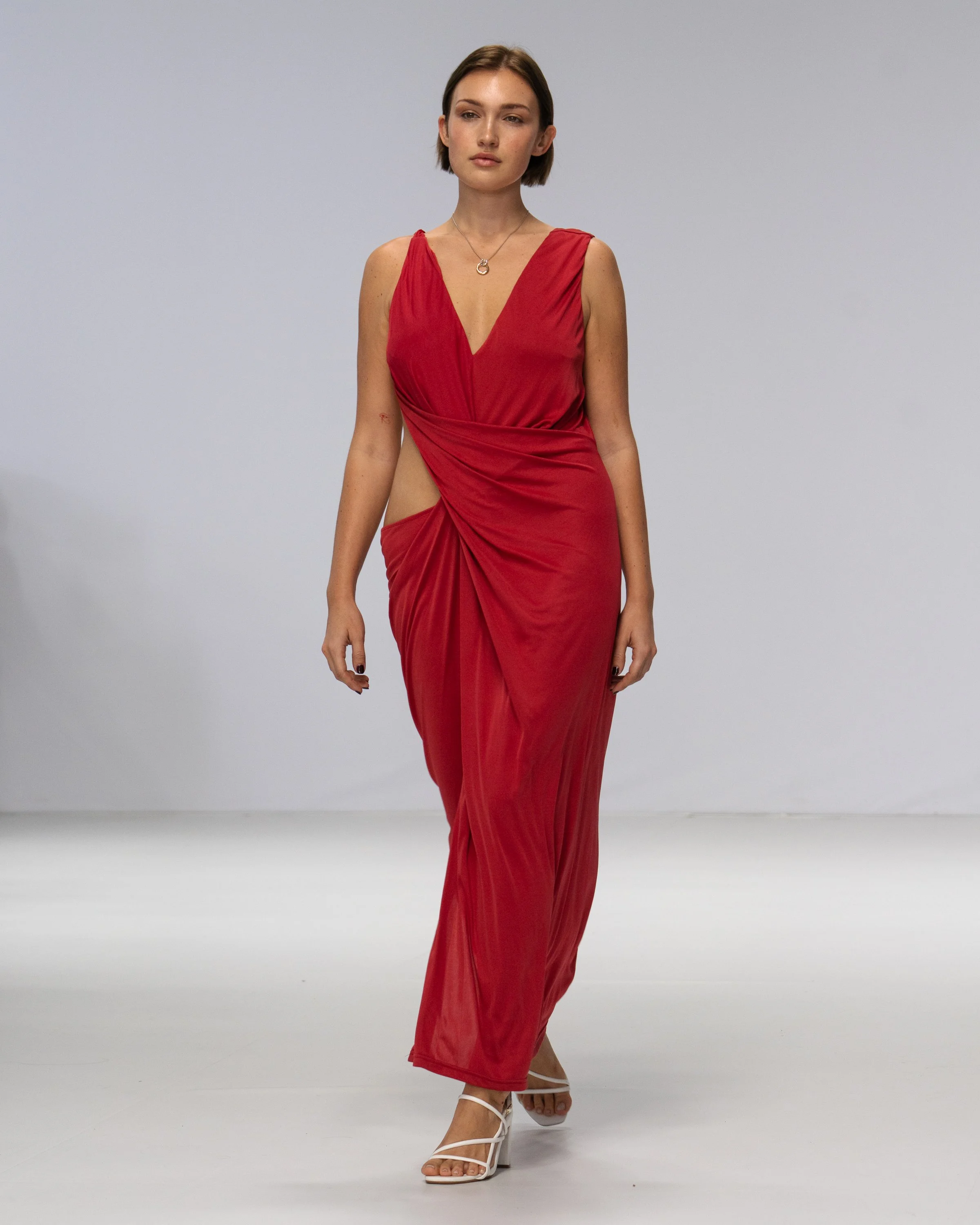
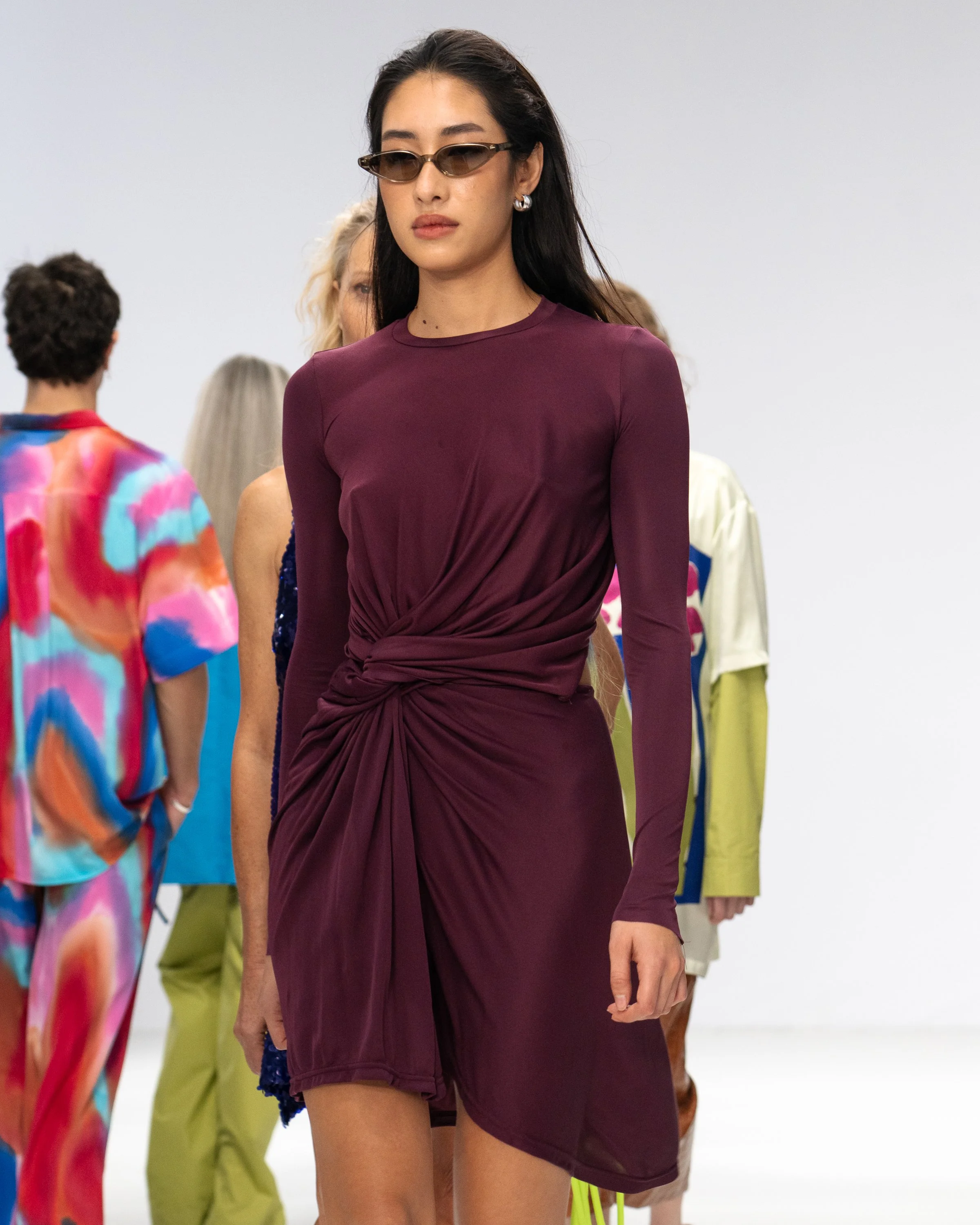
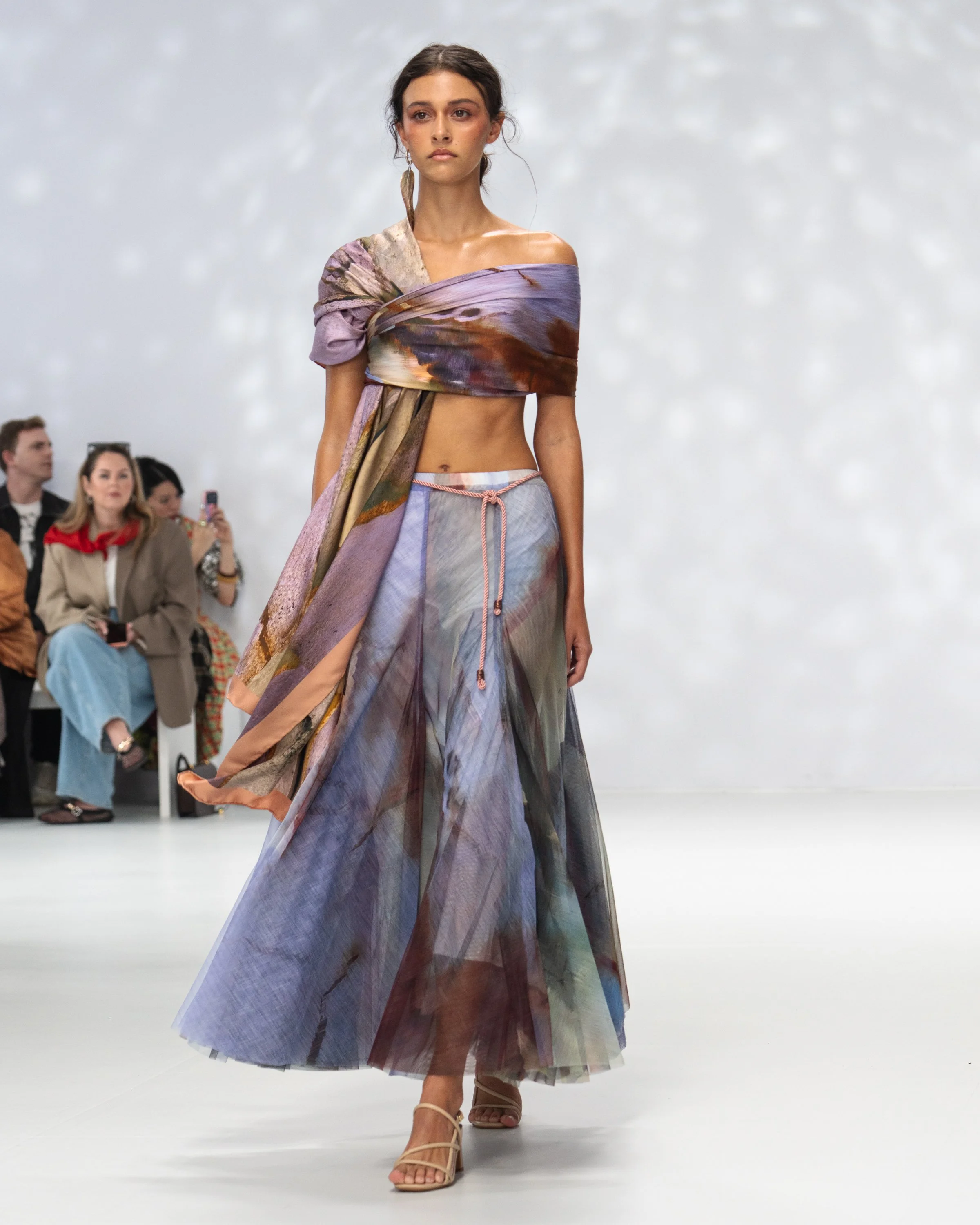
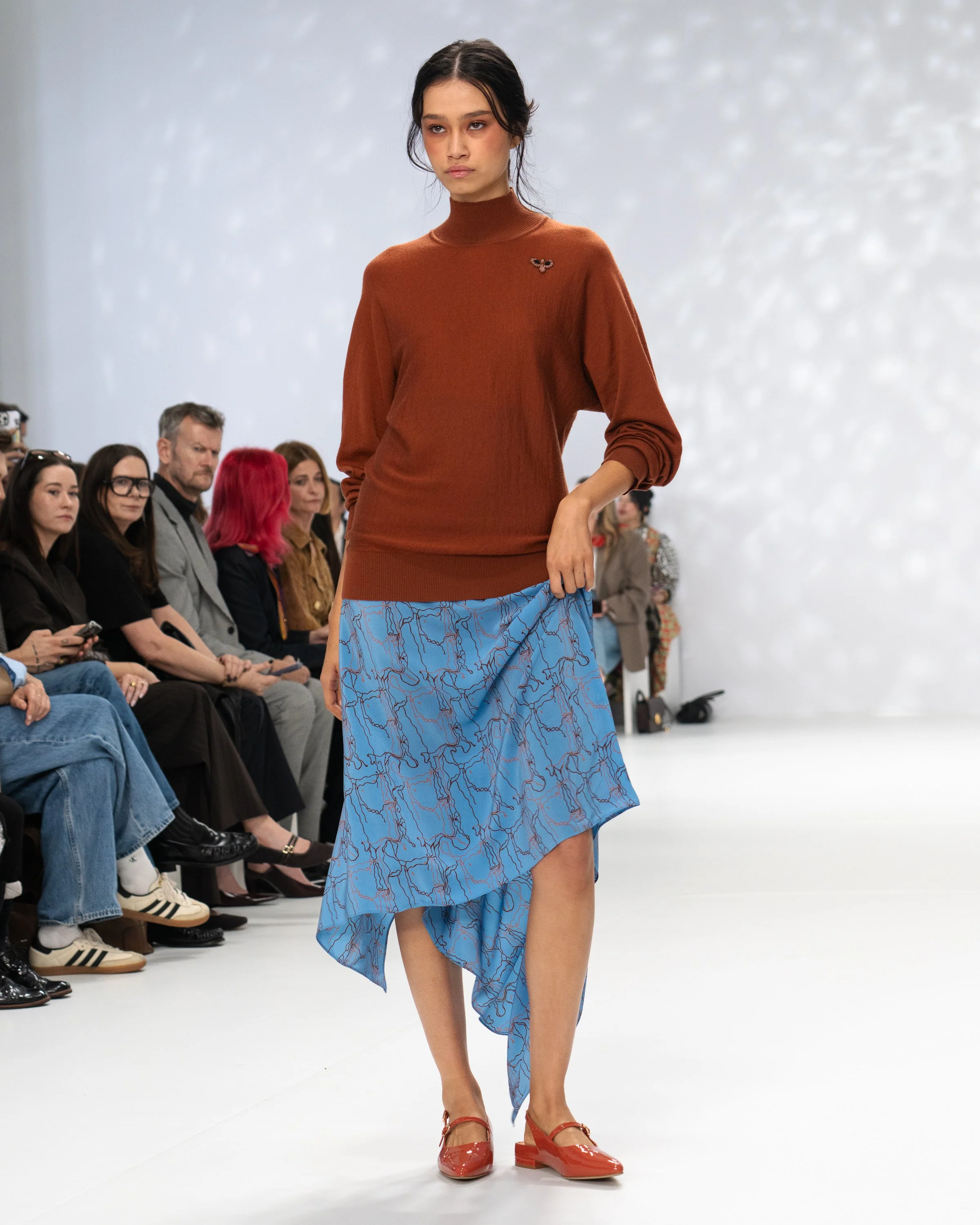
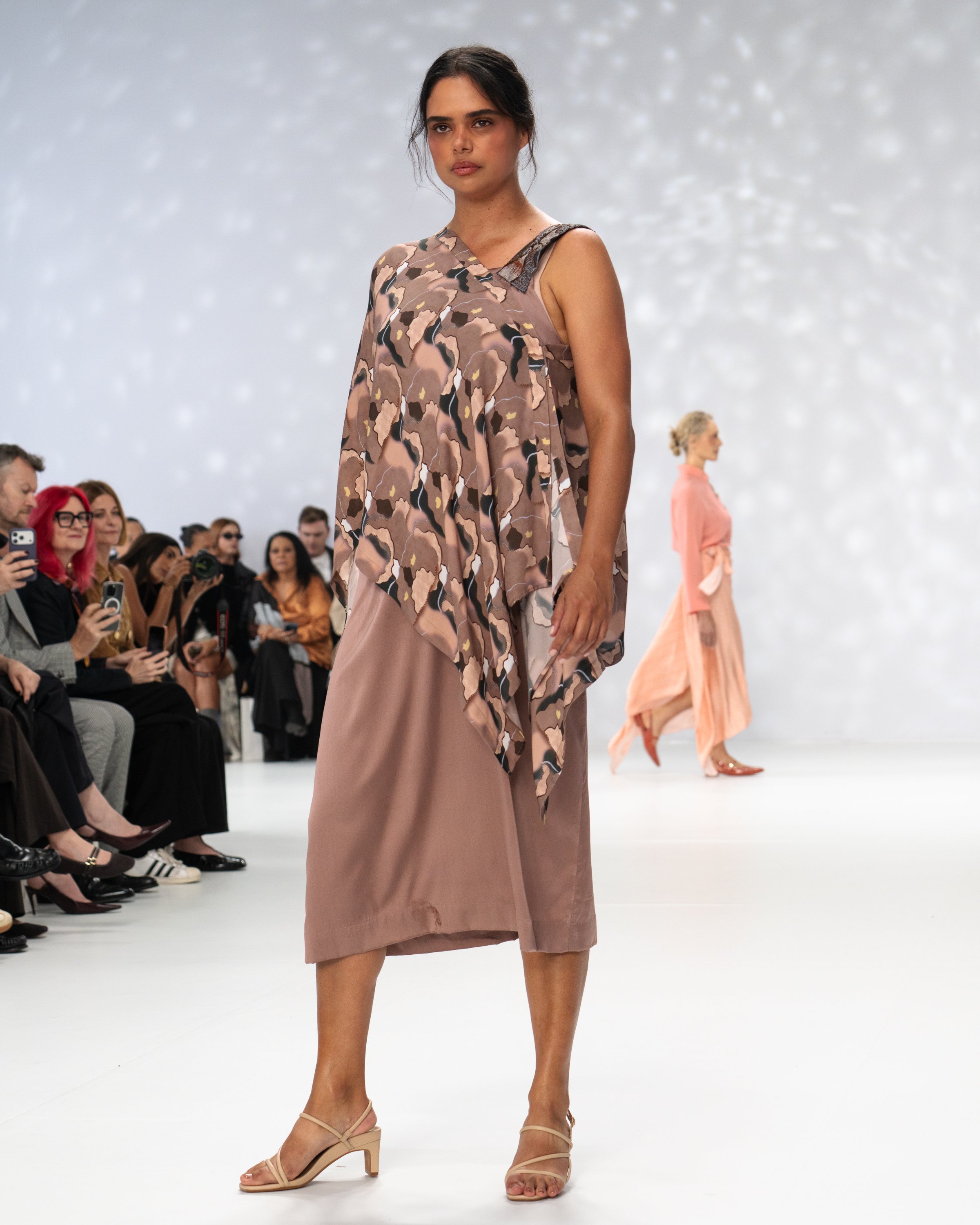

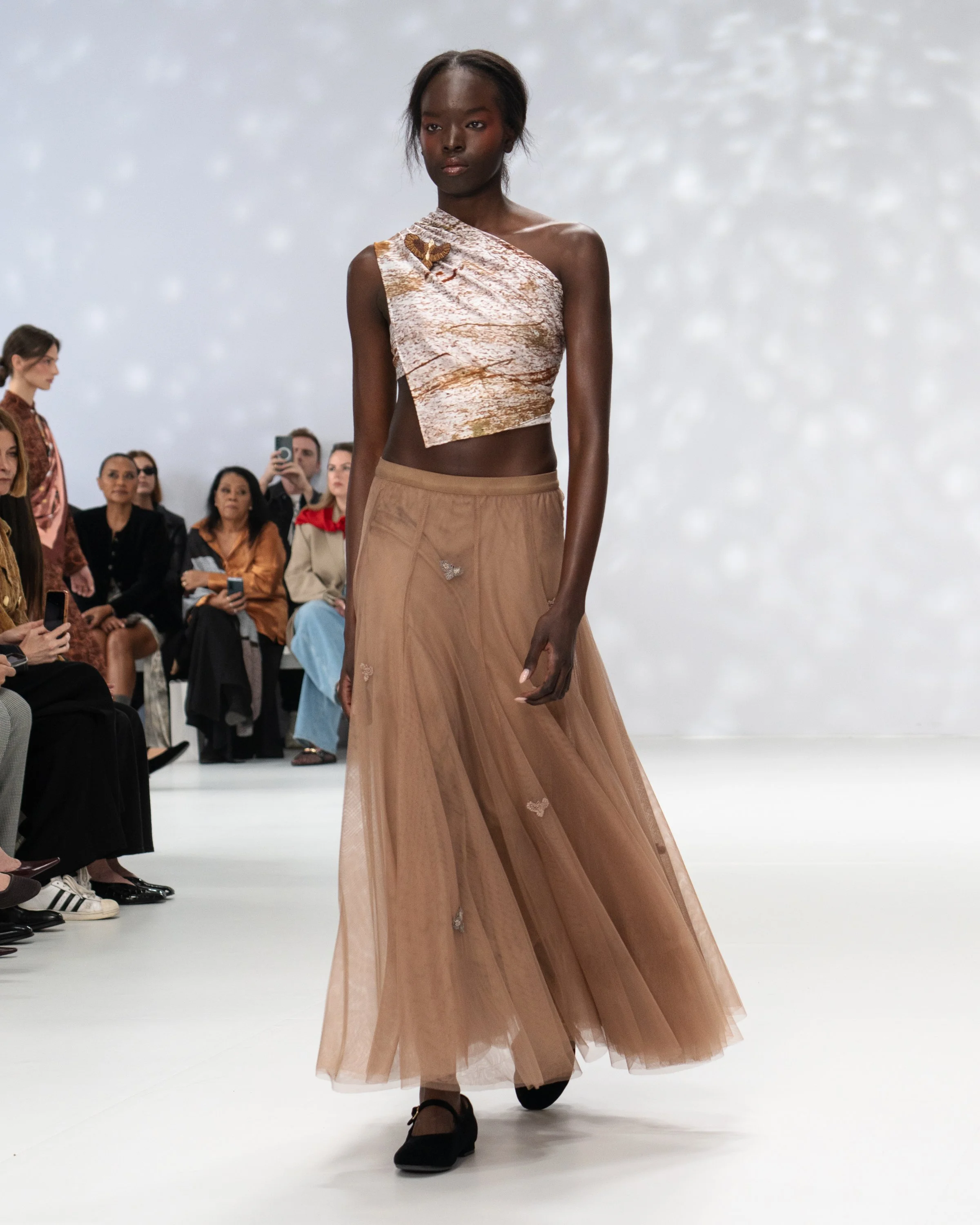
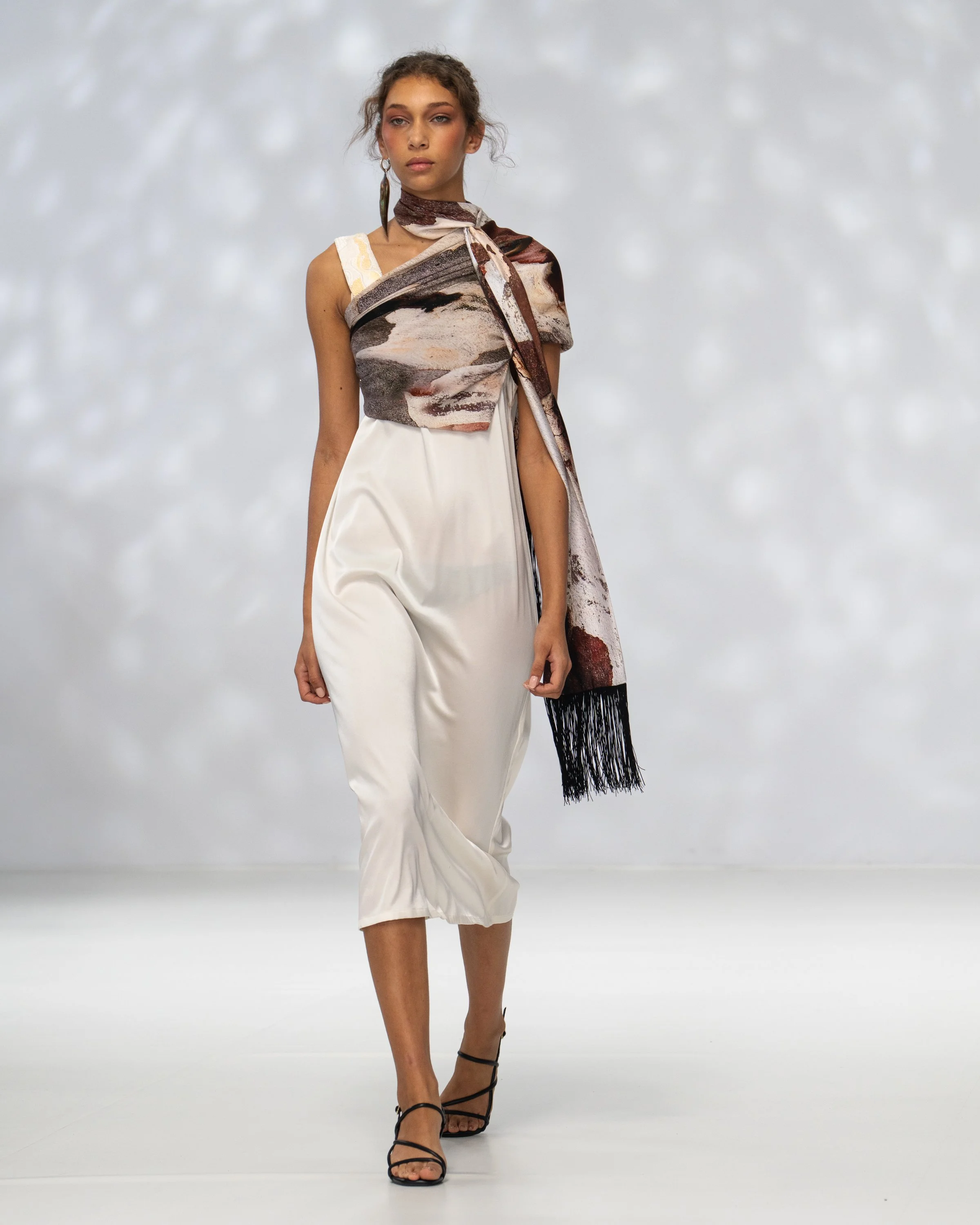
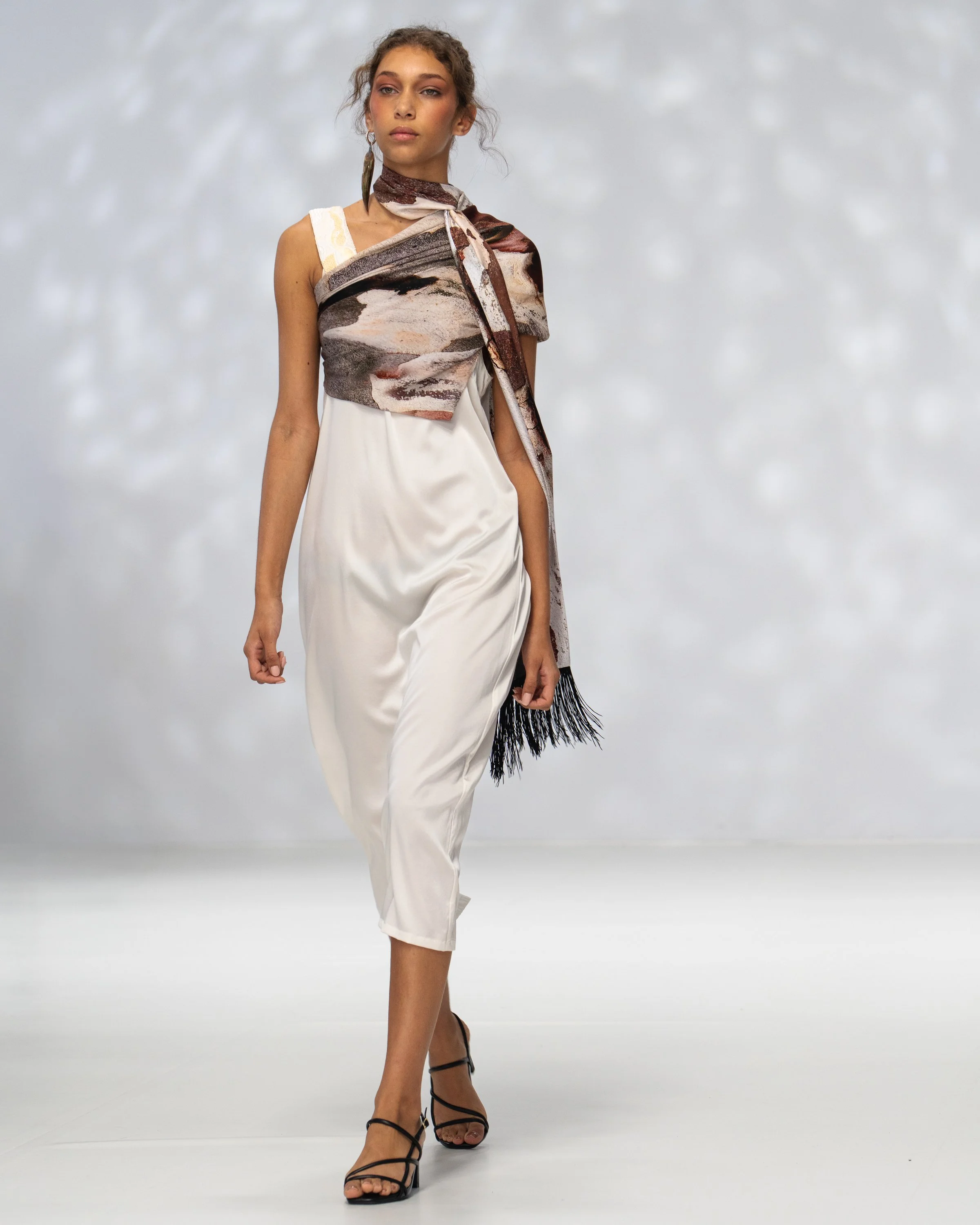

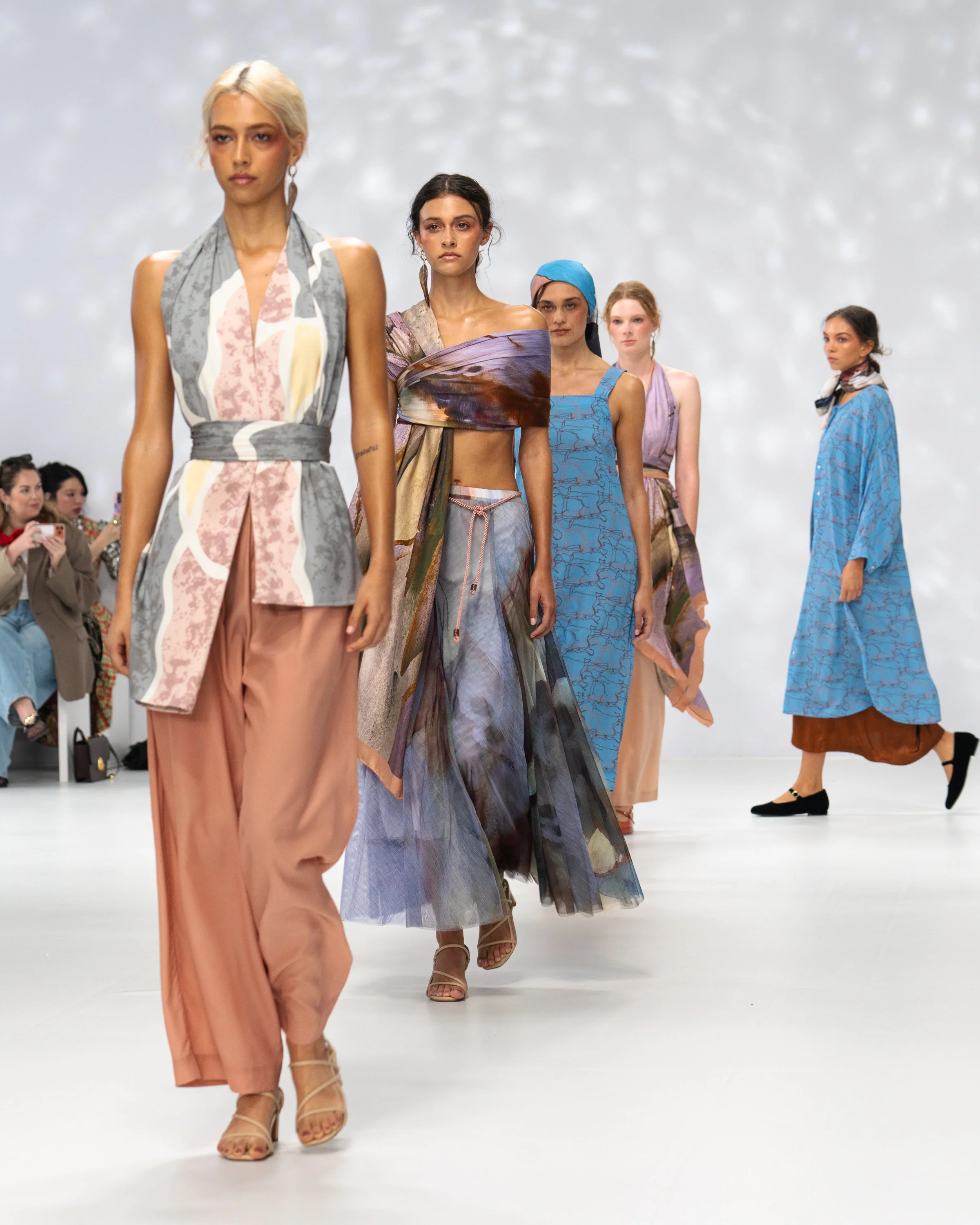

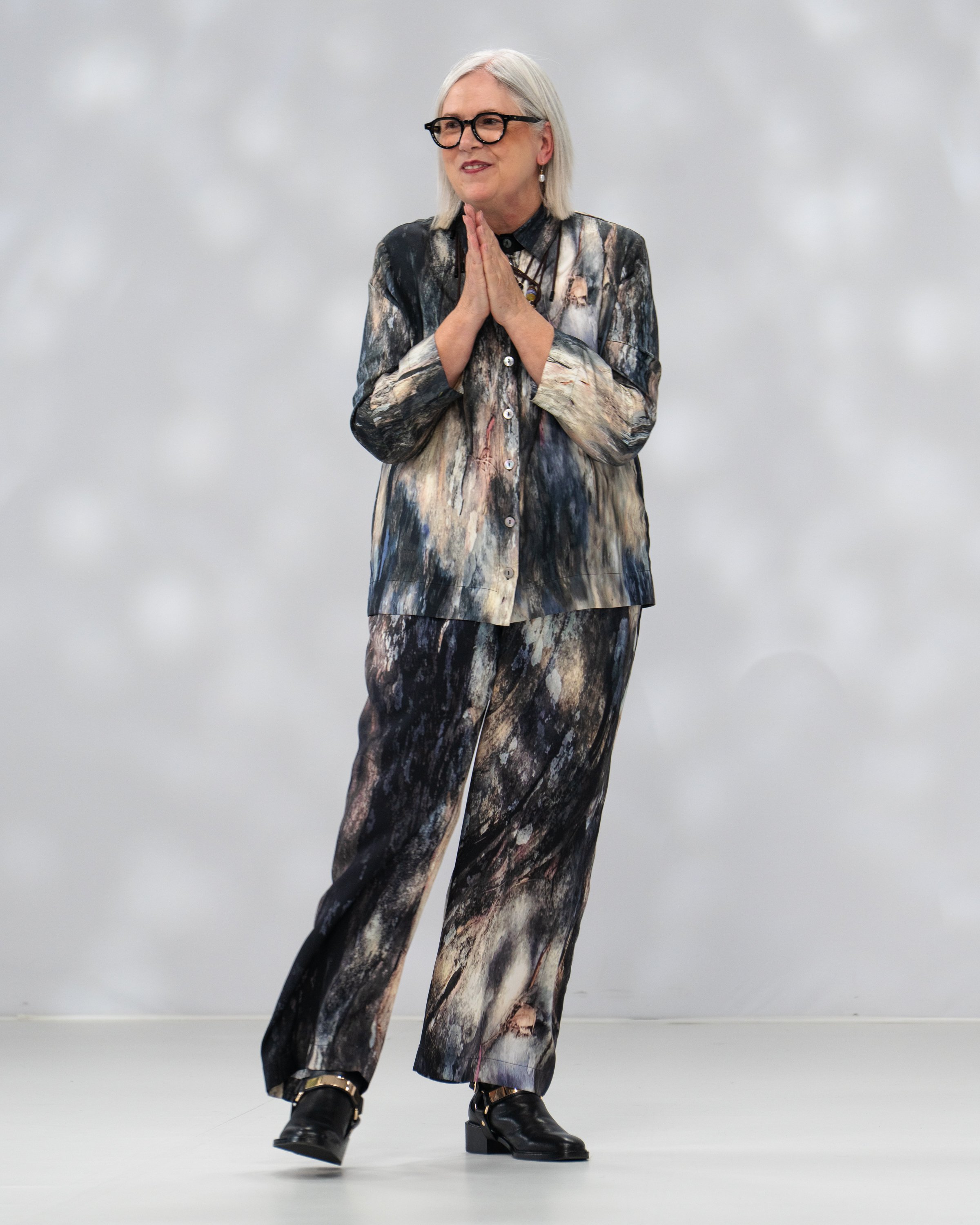
Australian Fashion Week continues to prove why physical runway events still matter in an increasingly digital world. While social media, livestreams and online campaigns dominate modern marketing, nothing replaces the energy of seeing collections come to life in person, the movement of fabrics, the atmosphere backstage, the reactions from editors and buyers, and the cultural buzz that surrounds a live runway presentation.
This year, Façon Magazine (Façon Creative’s sister company), attended several standout shows from leading Australian designers including Carla Zampatti, Karla Špetić and Gary Bigeni.
Each designer reflected a different facet of the Australian fashion landscape. Carla Zampatti delivered timeless sophistication with Sydney harbour and the Sydney Opera house as its backdrop and then continued to elevate itself with tailoring synonymous with the brand’s enduring legacy. Karla Špetić continued to blur the lines between art, tailoring and contemporary fashion. Gary Bigeni’s runway stood out for its strong emphasis on inclusivity, a defining element of his brand identity and one of the reasons his shows resonate so strongly with audiences. His casting celebrated diversity in a genuine and modern way, proving that fashion can be both commercially relevant and culturally progressive.
Fashion weeks all over the world remain critical because they act as a powerful combination of traditional advertising, PR and experiential marketing. They bring media, buyers, creators and consumers together in one place, amplifying visibility for designers and strengthening the wider Australian fashion industry. Look at the latest Gucci Cruise 27 collection that was recently run in Times Square, New York City. The price tage was hefty for the brand but the “free” PR outmatched the bill, I am sure! The face-to-face interaction with garments, models and industry personalities creates an emotional connection that digital platforms alone cannot be replicated.
Australian Fashion Week itself has also evolved. After drifting away from the traditional international fashion week model in previous years, last year marked a return to a more industry-focused approach. This year, however, we are seeing a hybrid model emerge, balancing both industry and consumer engagement. For Australia’s smaller fashion market compared to Paris, London or New York, this hybrid approach may be the perfect fit, allowing the industry to maintain credibility and serving the purpose of sales, marketing and PR while still engaging directly with fashion-conscious consumers.
Photography by Paul Dear